Elastic Cloud Architecture & Database Clustering for 11Wickets
Re-architected the AWS cloud infrastructure and database tier for a premier fantasy sports platform, ensuring zero downtime during sudden coin-toss traffic spikes while cutting monthly cloud spend by up to 40%.
Engineering a High-Concurrency, Cost-Optimised Cloud Platform for Fantasy Sports at Scale
Fantasy sports platforms operate in one of the most volatile traffic environments in consumer tech. User load does not grow gradually throughout the day. It explodes in minutes.
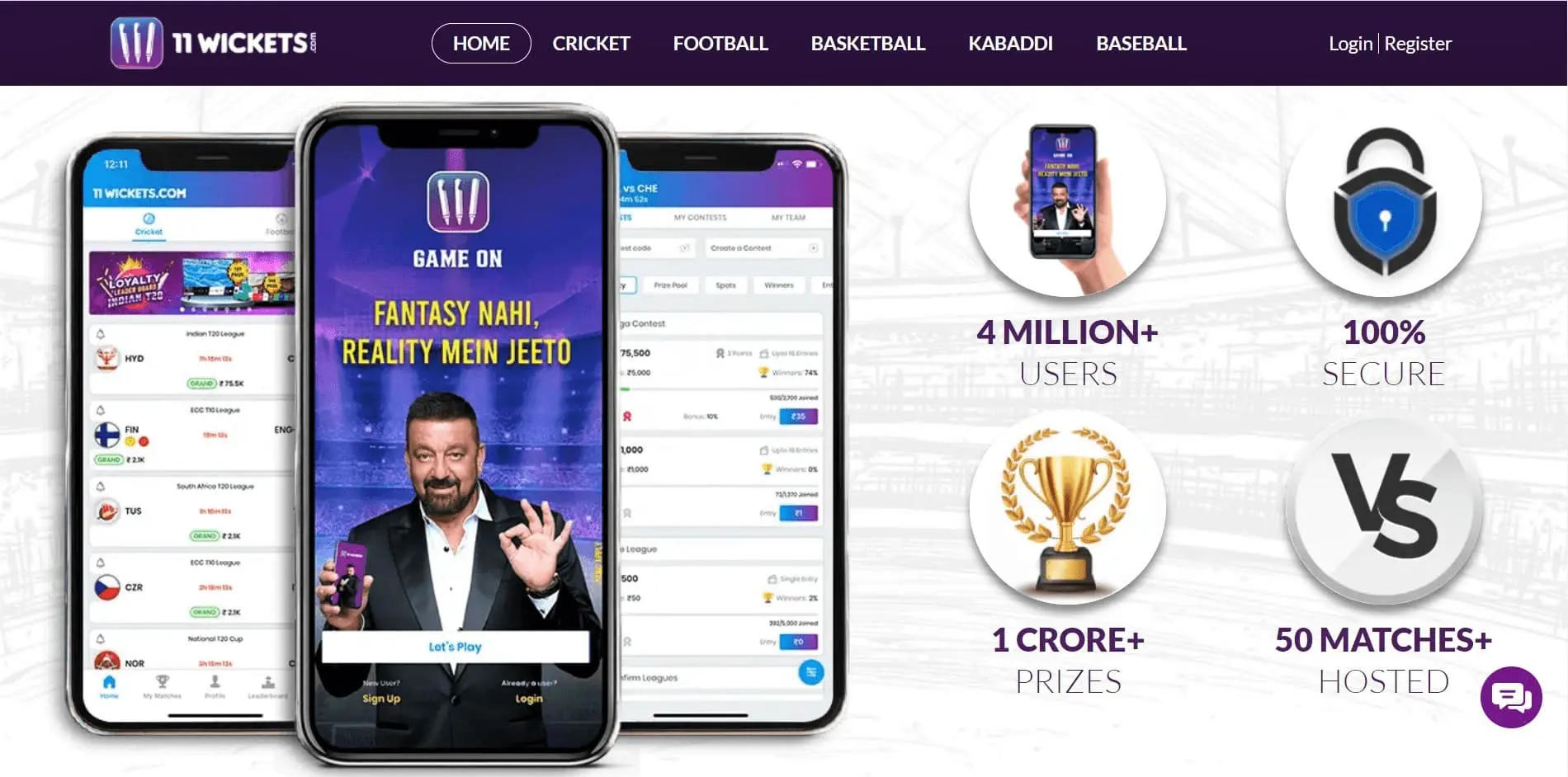
11Wickets is a major online fantasy cricket and gaming platform where millions of users create virtual teams, join cash contests, and track live player scores. During major tournament matches, traffic spikes dramatically in the short 15-minute window following the official coin toss, as users rush to modify lineups and submit final contest entries before the first ball is bowled.
This surge created two severe operational headaches: database bottlenecks on heavy write operations, and massive cloud bills caused by keeping servers running at peak capacity around the clock just to survive spikes. 11Wickets engaged Zediant to re-architect their AWS cloud environment, implement multi-master database clustering, and build an automated scaling system that protects margins without risking downtime.
The Cost of Unpredictable Traffic Surges
Rapid player growth exposed four structural operational flaws in the original platform architecture:
The Flash Crowd Effect
Sudden surges during pre-match team announcements caused latency spikes, failed contest submissions, and occasional downtime right at the highest-revenue moment of the day.
Expensive Over-Provisioning
To prevent crashes during games, the engineering team kept large clusters running 24/7. This meant paying for idle compute power during the night and between match days.
Manual Scaling Delays
Adding servers required engineers to step in manually. Human reaction time was too slow to handle sudden spikes that hit within two to three minutes.
Database Write Lockups
Calculating live points and contest rankings created an intense stream of database writes. A single MySQL master could not process the volume, causing queries to queue up and stall.
Five Engineering Problems We Addressed
Solving these issues required looking beyond basic server resizing. We redesigned how the system manages state, scale, and database persistence:
Rapid Elastic Compute
Configuring AWS Auto Scaling to launch and register web and worker instances within minutes of a traffic surge without dropping active connections.
Multi-Master Database Clustering
Replacing the single-point-of-failure database with a MySQL Galera Cluster, distributing write operations across multiple active nodes with automatic failover.
Stateless Session Handling
Decoupling user session state from individual virtual machines so users could navigate smoothly across dynamically expanding and contracting server pools.
Predictive and Reactive Scaling
Combining automated schedules that pre-warm server capacity 30 minutes before known match times with real-time CPU and request triggers for unexpected spikes.
Standardized Infrastructure as Code
Replacing manual console tweaks with version-controlled infrastructure templates to eliminate configuration drift across environments.
A Multi-Zone, Elastic Cloud Architecture
We restructured the platform into three resilient tiers across multiple AWS Availability Zones. Every tier can expand or contract independently based on real-time demand:
Elastic Load Balancing & Traffic Ingress
AWS Application Load Balancers continuously monitor backend instance health, terminate SSL connections, and distribute user requests evenly across zones.
Auto-Scaling EC2 Web & Game Engines
Stateless application servers scale horizontally. A mix of reserved instances covers the daily baseline, while spot and on-demand instances handle match-hour surges.
MySQL Galera Multi-Node Cluster
A synchronous multi-master database cluster handles live scoring and financial ledger entries. If any database node goes down, write operations continue without interruption.
The Four Stages of Modernisation
A dedicated cloud pod consisting of one DevOps Architect and two Cloud Engineers executed the project over an eight-week sprint:
Traffic Analysis and Architecture Blueprint
We analyzed historical traffic spikes from marquee tournament games, identified query locks in the MySQL database, and designed the target multi-AZ architecture.
Infrastructure as Code and Cluster Setup
We scripted the entire AWS environment using automated templates, built the MySQL Galera cluster, and moved user sessions to an external memory store.
Simulated Load Testing and Failover Drills
We simulated extreme match-day traffic spikes to calibrate autoscaling triggers and intentionally terminated database nodes to verify zero-downtime failover.
Production Migration and Telemetry Tuning
We cut traffic over to the new stack during a scheduled maintenance window, configured real-time CloudWatch alerting, and established baseline cost monitoring.
Outcomes Delivered in Production
The rebuilt platform gave 11Wickets the stability needed to host major sporting tournaments with complete confidence:
- 99.99% Platform Uptime: Zero match-day outages, even during finals and high-stakes games where concurrent user counts peaked.
- 30% to 40% Reduction in Cloud Spend: Removing 24/7 over-provisioning and shutting down idle instances during non-game hours delivered immediate cost savings.
- Sub-Second Page and API Responses: Distributing write loads across the Galera cluster kept contest creation, team edits, and wallet transactions fast under load.
- Zero-Touch Operations: Engineering teams no longer spend match weekends manually adding servers. The infrastructure expands and contracts automatically.
Why This Mattered to 11Wickets
In real-money gaming, user trust is directly linked to platform reliability. If an app freezes with five minutes left before the match starts, players cannot submit their teams and will quickly switch to a competitor. At the same time, high infrastructure bills can easily eat up gaming margins. By solving both scalability and cost efficiency, Zediant helped 11Wickets protect user trust while ensuring the platform stays profitable as audience numbers grow.
Ready for Future Growth
With an elastic foundation in place, 11Wickets is positioned to expand into new sports and international markets without needing architectural redesigns:
Multi-Sport Expansion
Expanding the same auto-scaling engine to cover football, kabaddi, and international leagues with overlapping game schedules.
Real-Time User Analytics
Streaming live contest analytics into event queues to understand user behavior and drop-off rates during games.
Dynamic Personalization
Serving customized contest recommendations to players based on their historical team preferences and past winnings.
Have a Similar Challenge?
Whether it's real-time reporting, complex integrations, or a platform your team relies on daily - let's talk about what you're building.
Talk to Our Engineering Team