
Mobile CRM Platform for Automotive Dealerships & OEM Networks
Architected a custom mobile and web CRM platform with real-time middleware integration into dealership management systems, supporting over 5,700 commercial workshops and wholesale buyers across the Asia-Pacific region.
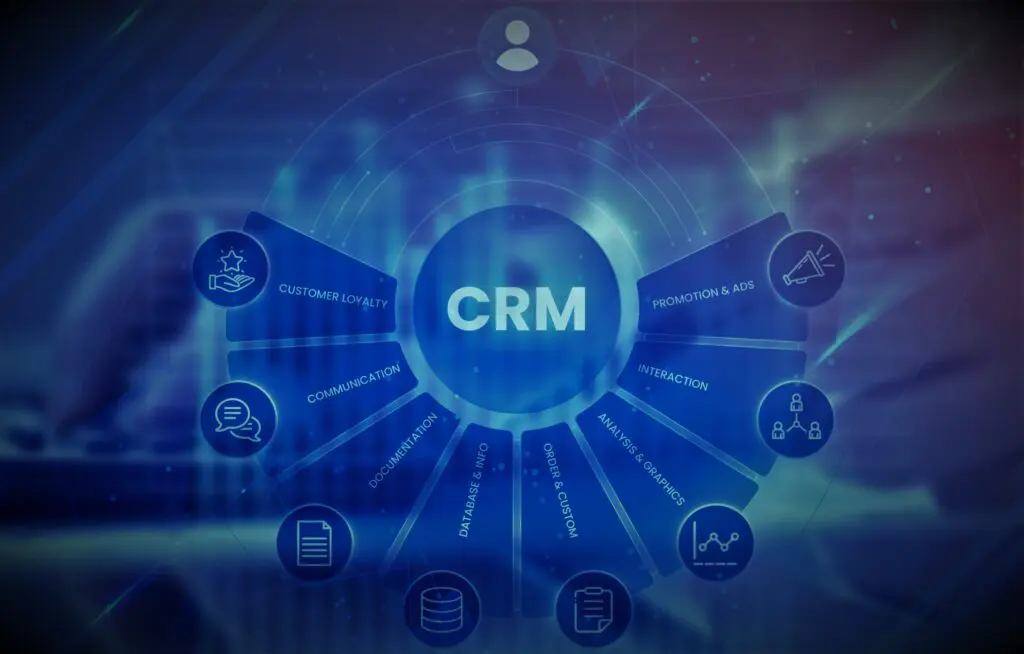
Building a Dealer-Centric Mobile CRM for Automotive OEM Ecosystems
In wholesale automotive parts, dealership sales representatives spend their days on the road visiting collision repair centers, independent mechanical workshops, and commercial fleets.
Our client, a global provider of automotive SaaS and Data-as-a-Service (DaaS) platforms across the Asia-Pacific region, powers workflows between car manufacturers and retail dealer networks. While their software handled inventory and service lanes inside the dealership, they lacked a unified system to manage external wholesale parts sales.
Field representatives relied on handwritten notes, phone calls, and spreadsheets. Back at the dealership, parts managers had no clear view of customer visit frequency, lost orders, or quote conversion rates. Zediant was brought on as an embedded engineering partner to design, architect, and deliver a native iPad and web CRM platform directly integrated with dealer management systems.
The Disconnect Between Field Sales and Dealership Operations
Without a dedicated field tool, wholesale parts departments faced four recurring operational issues:
No Visit Tracking
Dealerships had no systematic way to track which repair shops representatives were visiting, how often visits happened, or what issues clients raised on site.
Missing Sales History
Field representatives had no mobile access to past order volumes or buying habits. Every client discussion was reactive rather than based on real purchase trends.
Zero Visibility for Managers
Parts managers could not reliably audit rep activity, review pending tasks, or track whether special promotional prices were actually being pitched to accounts.
Unstructured Issue Resolution
When a mechanic received a damaged part or wrong order, complaints were noted on loose paper or in messaging apps, leading to forgotten follow-ups and lost accounts.
Six Core Technical Challenges We Had to Solve
Developing an enterprise platform that works reliably on dealer floors, inside repair garages, and across corporate networks meant tackling several technical hurdles:
Legacy DMS Integration
Dealerships run on different Dealer Management Systems (DMS) built over decades. We had to design middleware capable of extracting inventory, customer, and sales records without breaking existing daily store workflows.
High-Volume Parts Catalog Data
Handling large, complex catalogs with thousands of vehicle part numbers, cross-references, and localized price lists while keeping search speeds fast for users on mobile connections.
Cross-Platform Logic Consistency
Keeping business rules, pricing tiers, and account permissions identical between the native iOS iPad app used in the field and the web portal used by back-office staff.
Offline Reliability & Data Sync
Mechanical repair shops often have spotty cell reception. The iPad application had to allow reps to log visits, review accounts, and draft orders offline, then sync reliably once reconnected.
Enterprise Security Audits
Because major automotive OEMs share proprietary part bulletins and commercial pricing through the platform, the infrastructure had to pass rigorous enterprise security and data privacy evaluations.
Multi-Region Delivery
The cross-functional team operated across Australia and India, requiring disciplined sprint planning, continuous integration pipelines, and strict code review standards.
The 5-Layer Platform Architecture
We structured the platform into five decoupled layers so that mobile clients, web portals, and legacy dealer systems could communicate cleanly:
Client Applications (Mobile & Web)
A native Swift iOS app for field sales representatives and an AngularJS web portal for dealership parts managers and administrators.
API Gateway & Integration Layer
Manages user authentication, request routing, security verification, and structured data exchange between devices and core services.
Application & Business Services (.NET / C#)
Handles core CRM workflows including visit scheduling, customer accounts, task tracking, pricing calculations, and management reporting.
Centralized Data Layer (Microsoft SQL Server)
Stores customer profiles, transactional order histories, visit logs, and system audit trails with optimised indexing for quick lookups.
External Systems & DMS Integration
Connects directly to dealer management systems (DMS), OEM parts catalogs, and cloud logging infrastructure.
Designed for the People Using It Daily
Different stakeholders across the wholesale network needed different views of the same underlying data:

For Field Sales Representatives
- Review customer sales trends, recent drop-offs, and open opportunities before stepping into a workshop.
- Plan daily driving routes, log visit notes, and schedule upcoming check-ins.
- Take photos of damaged parts on site and log warranty or return issues directly.
- Access official repair manuals, technical service bulletins, and manufacturer promotions right from the iPad.

For Dealership Parts Managers
- Track field representative schedules, completed visits, and follow-up tasks in real time.
- Review wholesale revenue, regional sales trends, and account health at a glance.
- Assign urgent follow-ups or customer support tickets directly to representatives in the field.
- Push active seasonal discounts and bulk specials straight to reps' mobile devices.

For Automotive OEMs and Suppliers
- Distribute authorized parts specials, recall bulletins, and product news across the dealer network.
- Gain transparent visibility into dealer wholesale sales without waiting for month-end reports.
- Standardize reporting and visit standards across multiple dealer ownership groups.
The Four Stages of Delivery
Discovery and Integration Mapping
We examined existing dealership DMS setups, mapped customer and inventory data formats, and established performance and data security baselines.
Platform & Native Mobile Development
Our team built the .NET backend services, created the database architecture in SQL Server, and developed the native Swift iPad application with offline caching.
DMS Testing & Data Validation
We tested live two-way synchronisation between dealership systems and the mobile app, confirming that catalog lookups and pricing tiers were accurate.
Phased Regional Rollout & SLA Support
The platform was deployed across pilot dealerships in the Asia-Pacific region, followed by full network onboarding and continuous performance tuning under an active SLA.
Real Outcomes Across the Dealer Network
Today, the platform serves as the central operational tool for wholesale parts distribution across the region:
- Over 50 Dealerships Onboarded: Successfully rolled out to dealer groups throughout the ASPAC market, replacing disconnected spreadsheets with a single standard workflow.
- 5,700+ Wholesale Customers Supported: Independent workshops, crash repair centers, and commercial fleet garages now receive structured, proactive service from their dealer reps.
- Higher Sales Team Productivity: Field sales representatives spend less time sorting through paperwork and more time meeting customers with live account information at hand.
- Reliable Management Visibility: Parts managers now have clear, auditable records of field activities, customer issues, and wholesale order pipelines.
Why This Mattered to the Client
For a global automotive SaaS and DaaS company, their entire business model depends on keeping dealerships and OEMs inside a unified software ecosystem. Leaving the wholesale field sales channel unsupported created a major gap where competitors could step in. By partnering with Zediant to build a purpose-built mobile CRM, they closed that gap, strengthened dealer retention, and created a scalable digital asset that continues to grow with their product line.
Designed for Long-Term Growth
Because the platform relies on clean service layers and open APIs, it provides a solid foundation for future additions:
Automated Reordering
Allowing workshops to scan barcodes on empty parts bins and automatically queue replenishment orders to the dealer.
Predictive Order Trends
Analyzing historical seasonal patterns to alert reps when a regular buyer has gone quiet or missed their normal order cycle.
Deeper OEM Integrations
Direct connections into manufacturer inventory feeds to show nationwide stock availability when local depots run low.
Have a Similar Challenge?
Whether it's real-time reporting, complex integrations, or a platform your team relies on daily - let's talk about what you're building.
Talk to Our Engineering Team